
Connecting to neural network...
Connecting to neural network...

"In space no one can hear you scheme."
A glimpse into the world of Outer Empires, live from Alpha testing.
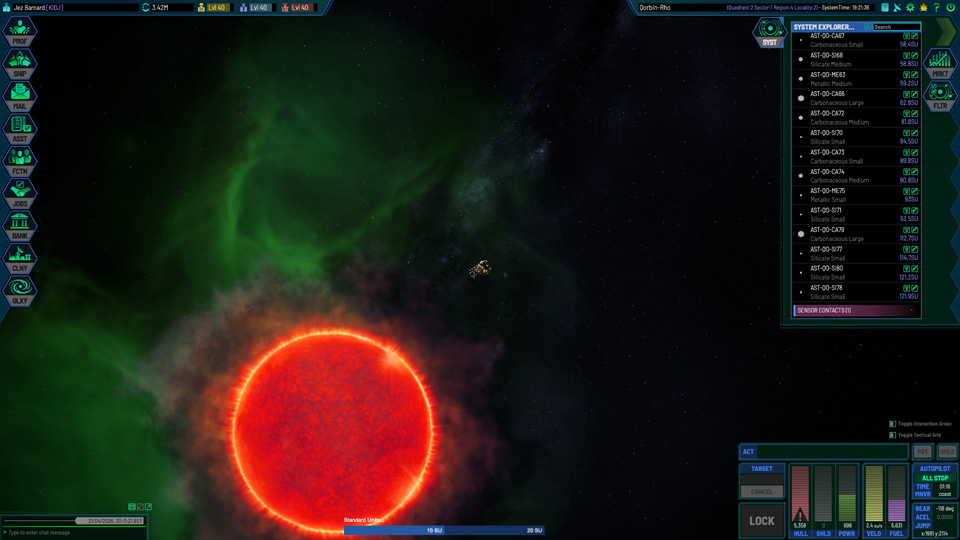
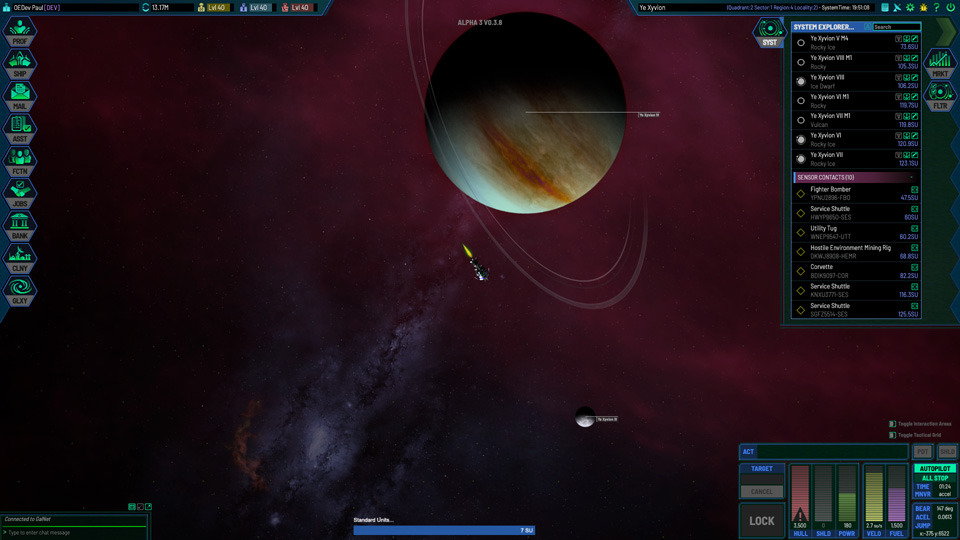
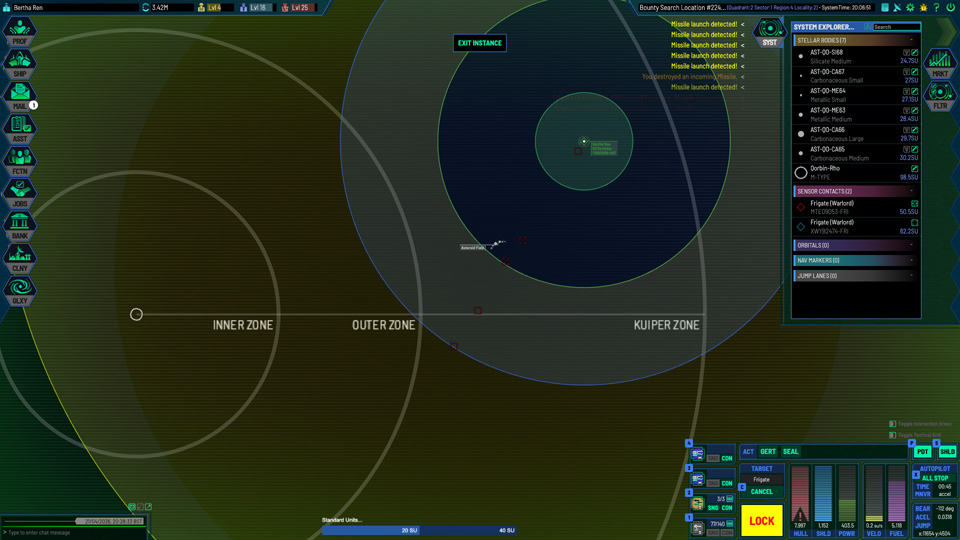
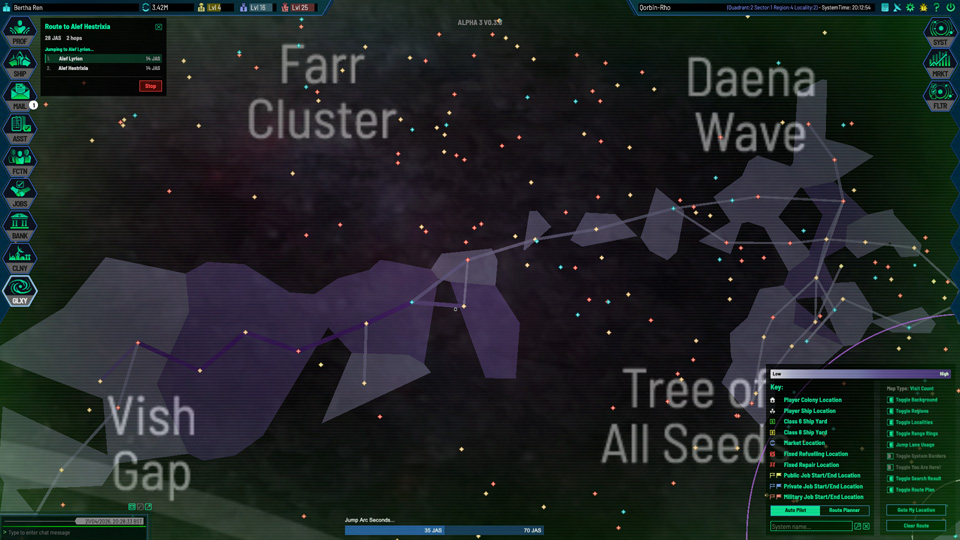
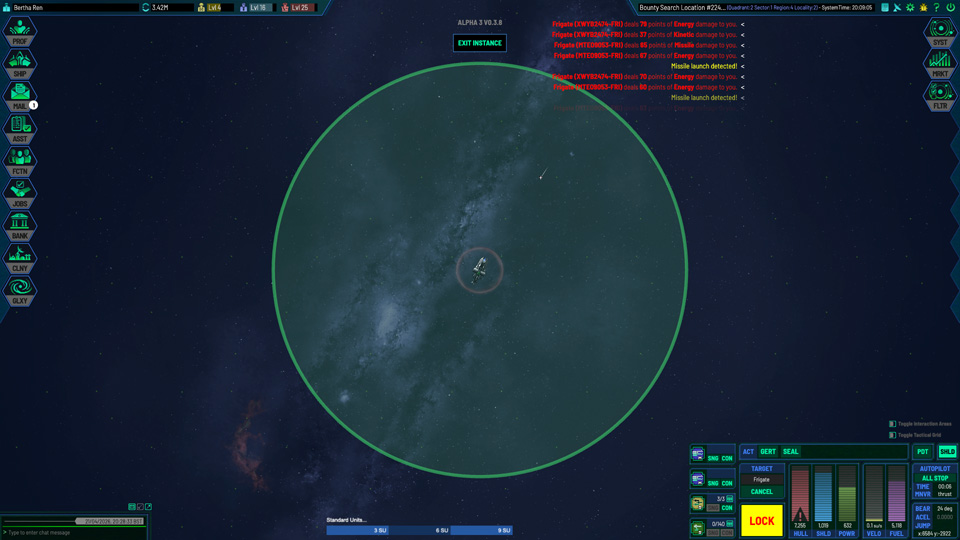
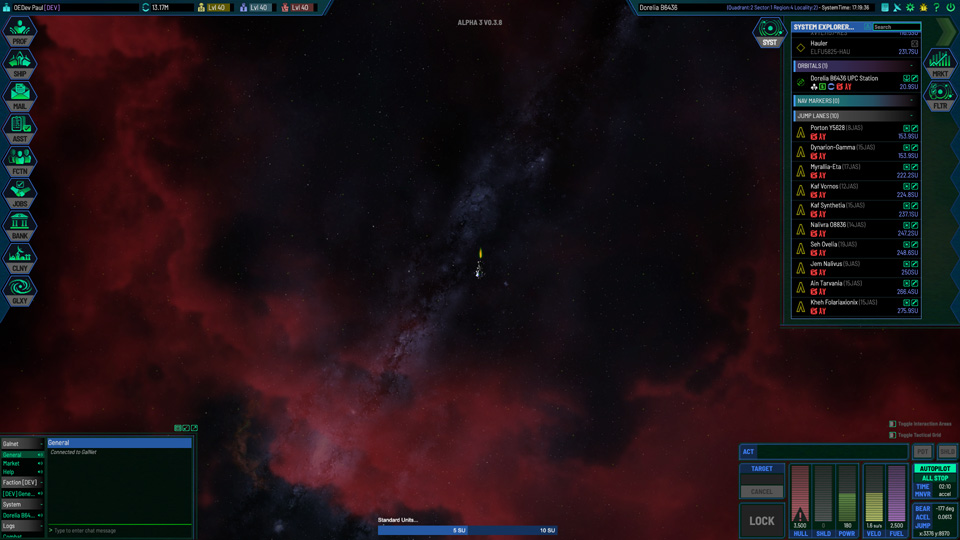
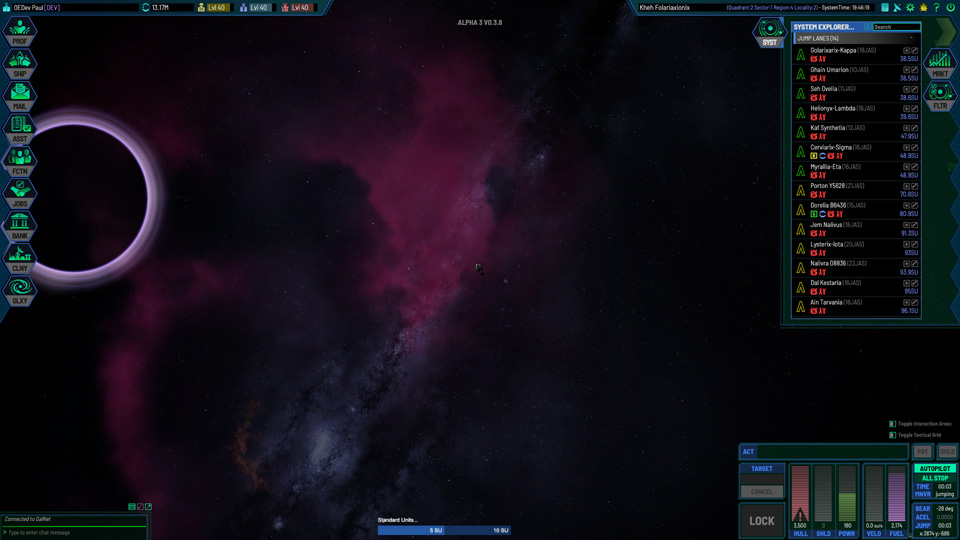
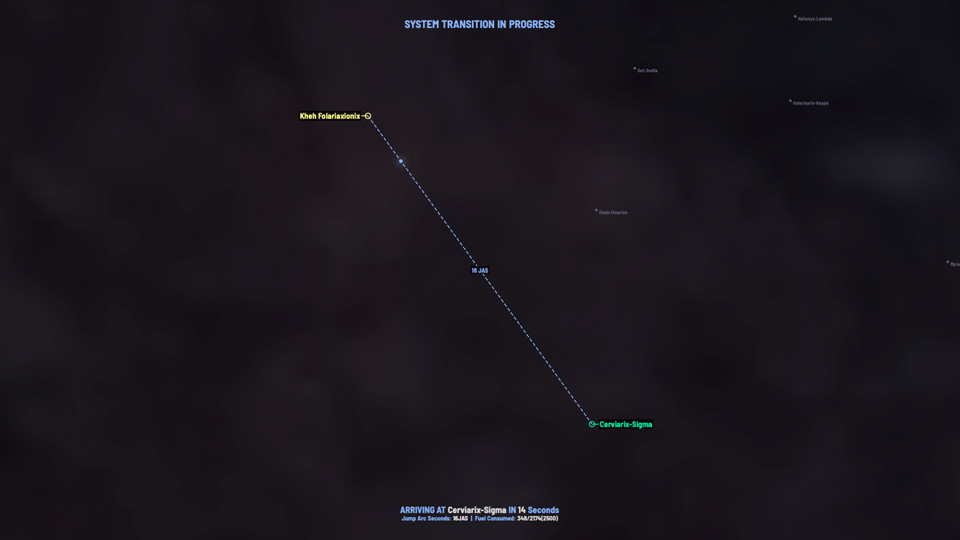
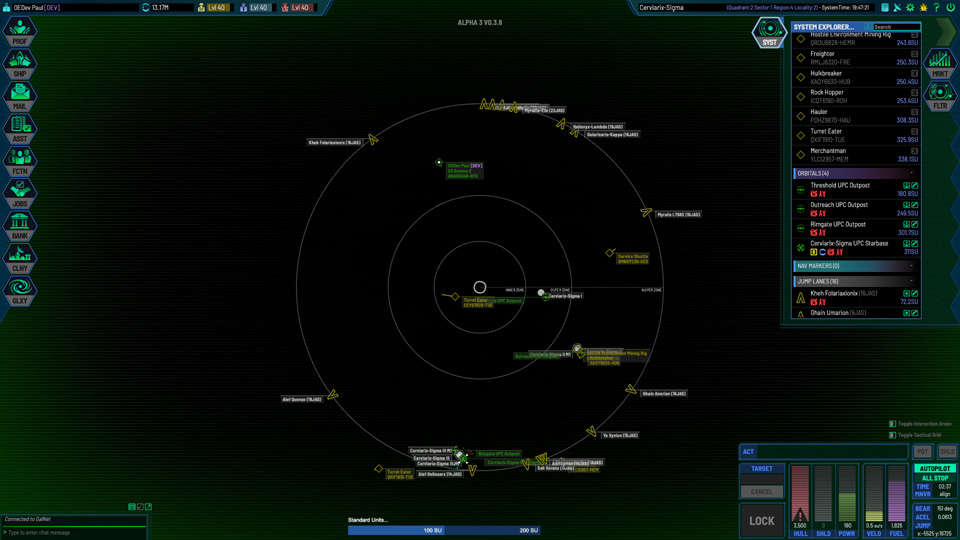
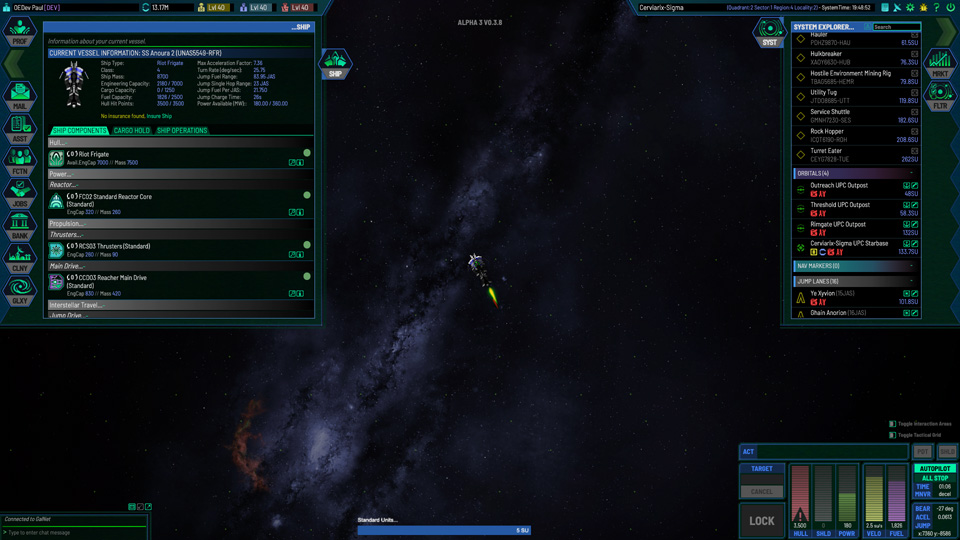
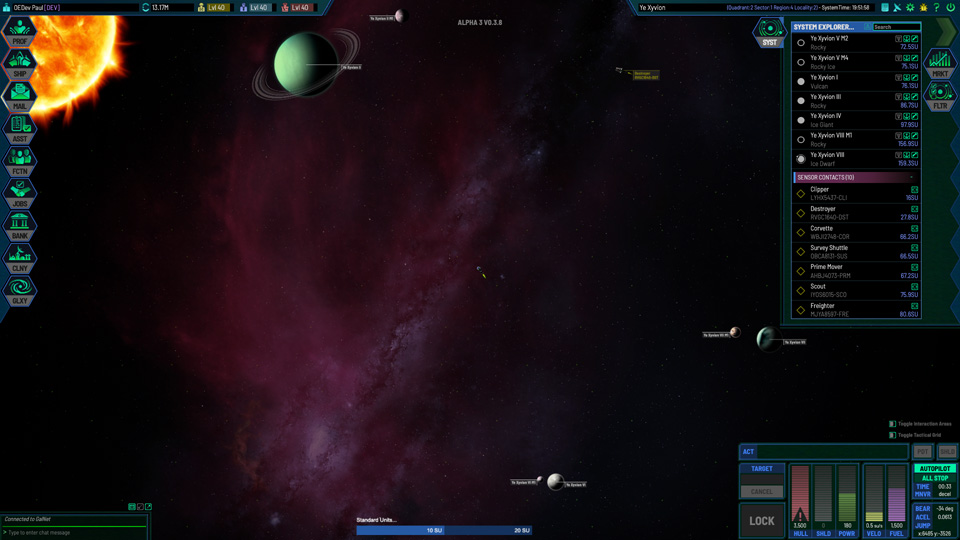
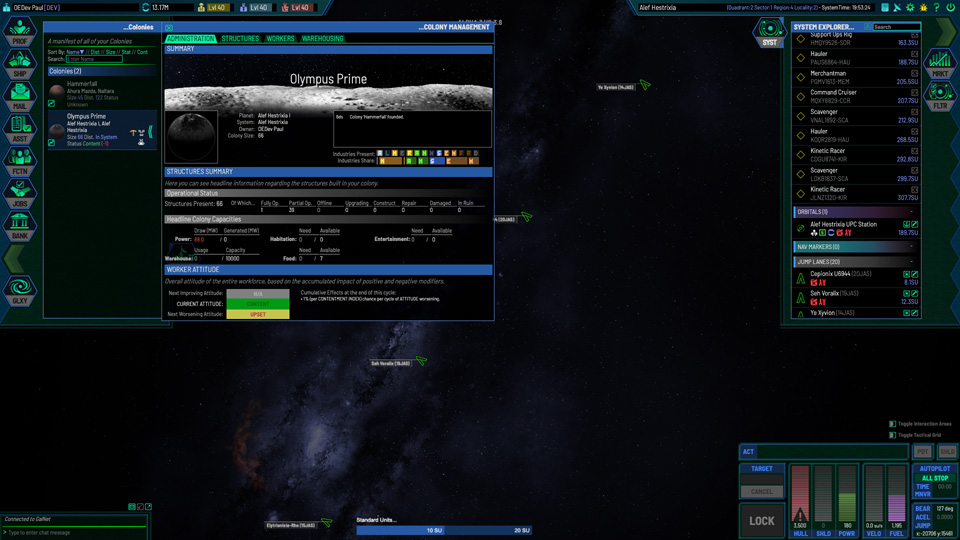
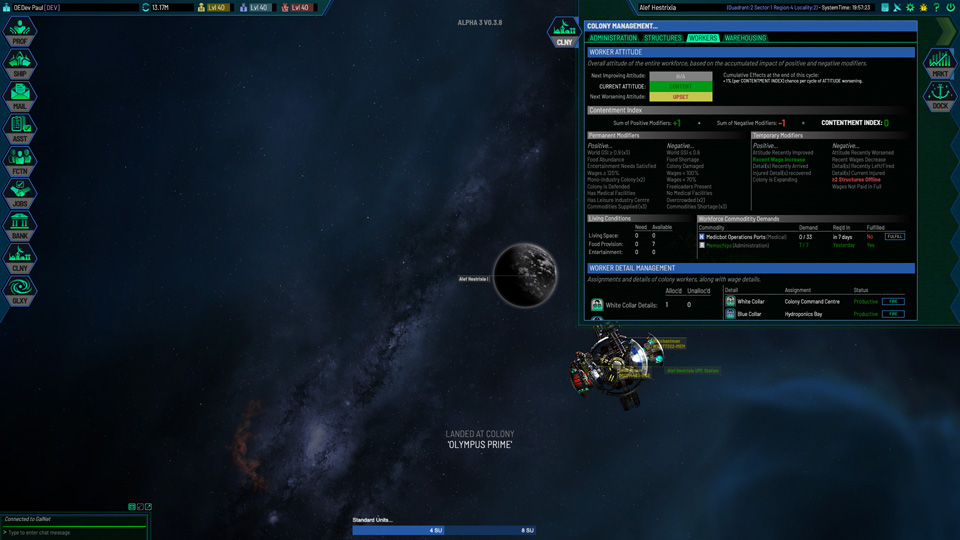
Space is big. Really big. And nobody's going to hold your hand out here.
Outer Empires drops you into a persistent, player-driven galaxy with nothing but a starter ship and whatever ambition you brought with you. What you do next is up to you. Run trade routes between stations. Hunt pirates ... or become one. Stake a claim on a colony and build it into a hub of commerce. Form alliances and wage wars over territory that actually matters.
Every station, every market price, every political alliance ... it's all shaped by real players making real decisions. The economy isn't a simulation running on rails. When a trader floods a market with ore, prices drop. When a blockade cuts off supply lines, stations feel it. Your actions ripple outward in ways you won't always expect.
Start in a government loaned shuttle and work your way up to military cruisers, nimble interceptors, or hulking freighters. Fit your ship the way you want it ... there's no single "right" build, just trade-offs and the question of whether you packed enough fuel.
Claim colonies, construct facilities, and set up production chains that feed into the wider economy. Manage station permissions, set docking fees, and decide who's welcome at your doorstep ... and who gets turned away at the airlock.
Combat is tactical and punchy. Positioning matters. Ship loadouts matter. Knowing when to jump out matters more. Whether you're running security for a mining op or ambushing a rival convoy, every engagement has stakes because losses are real.
Factions aren't just a chat channel with a shared tag. Pool resources, coordinate fleets, control territory, and project power across multiple systems. Or go solo and make a name for yourself as the pilot nobody wants to cross.
The galaxy doesn't wait for you. But it does remember you.
Outer Empires 2 is a living, player-driven universe. Choose your path, or forge your own.
The galaxy has 23,000 star systems. Most of them have never been visited. Not charted, not surveyed, not even glanced at. They are just out there, waiting. If you jump into an unvisited system, you might genuinely be the first player to ever see it.
That matters because scan data is valuable. Explorers and Prospectors survey planets, moons, and asteroids for resources ranging from Common through to Exotic rarity. What you find can be sold on the market to colony builders who need it, or kept close to give yourself an edge on where to set up next. Systems further from the populated core tend to hold rarer deposits, which means the further out you're willing to go, the better your chances of finding something nobody else has touched.
When you're ready to trade, the player-driven market supports buy orders, sell listings, and private sales. Price history shows low, average, and high for every item so you can spot opportunities. Hauling jobs come in standard and rush variants; rush jobs pay more but run to a hard time limit. Build enough of a reputation at a station and better contract tiers open up over time.
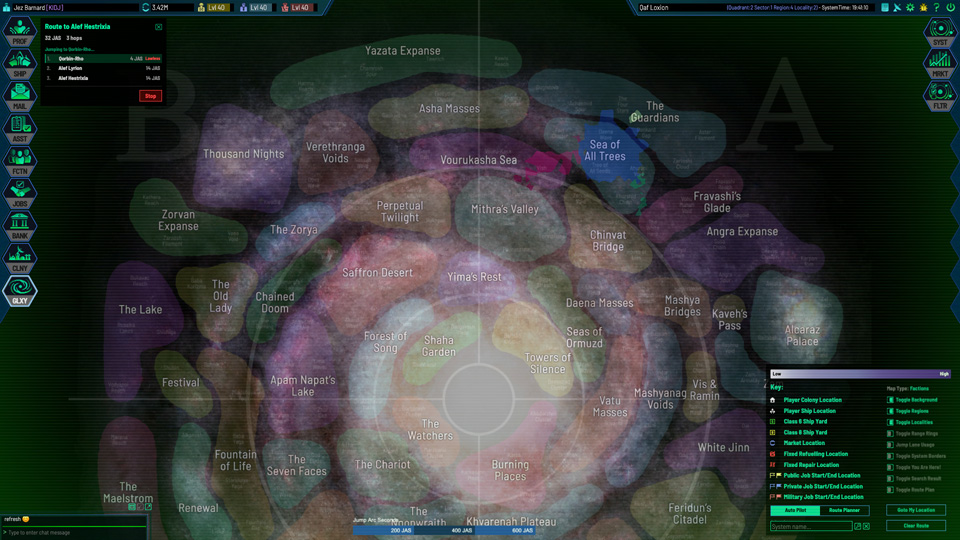
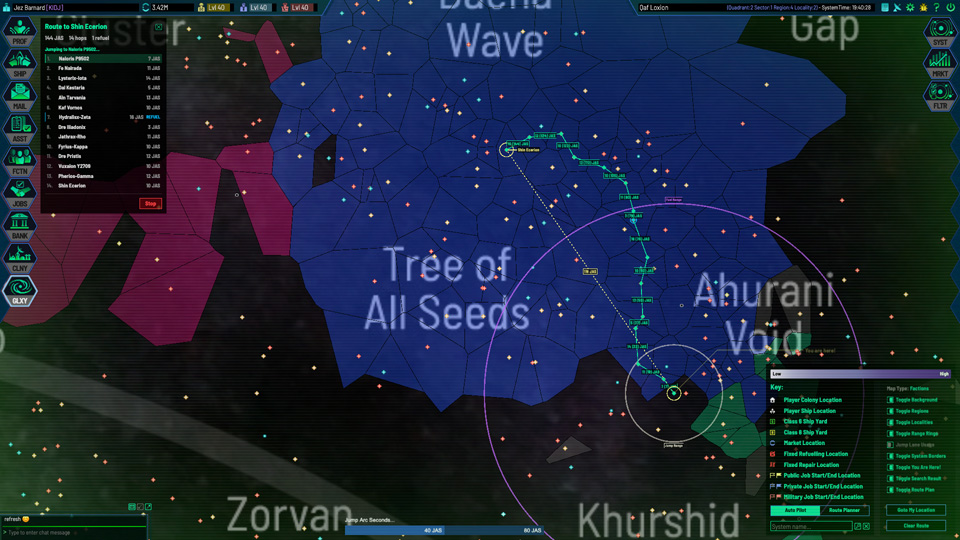
The galaxy map lets you plan multi-hop routes, filter systems by service type (markets, shipyards, fuel, repair) and overlay faction territory, market heat maps, or traffic data to work out where to go next.
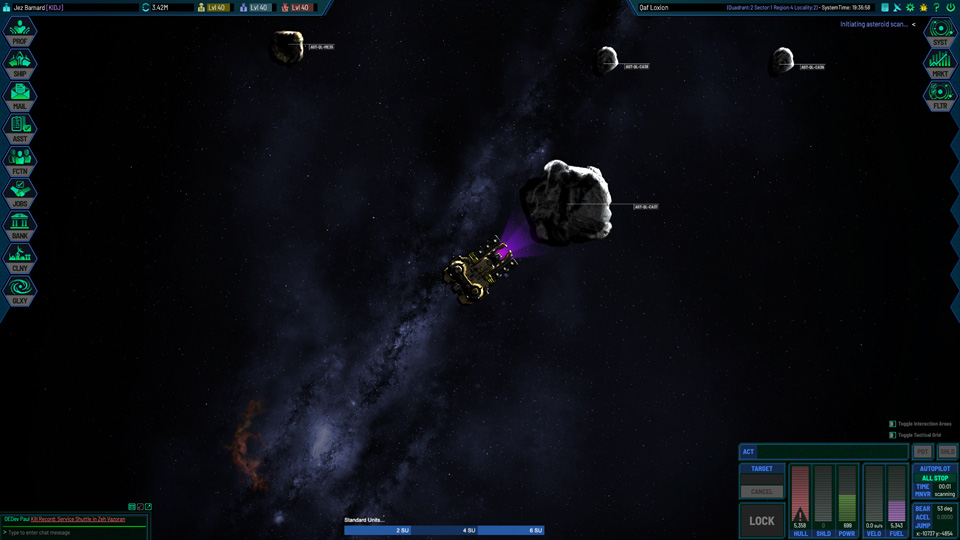
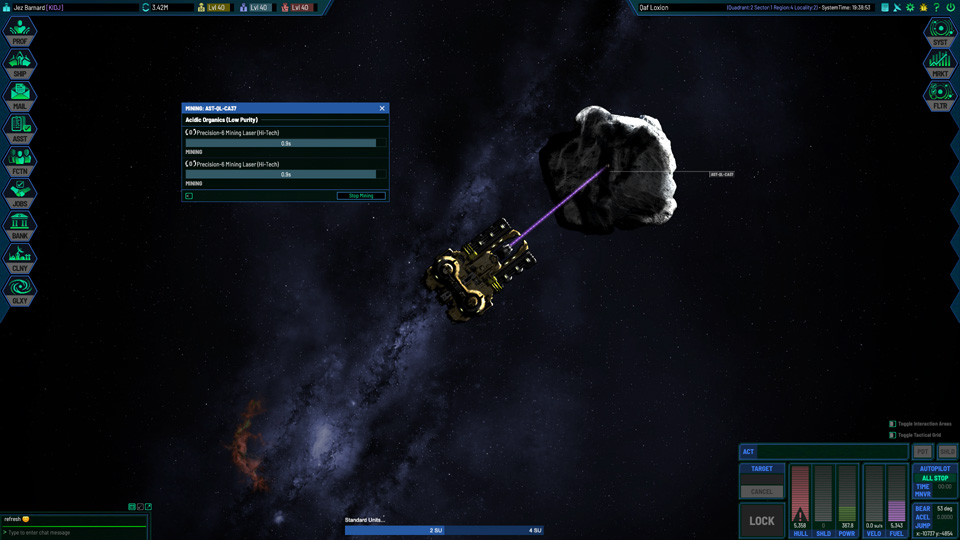
open_in_fullExpandRaw resources enter the game through three routes. The most direct is asteroid mining: scan an asteroid to identify what it holds, then set up a dedicated mining ship to extract it. Dedicated mining vessels carry Ore Hoppers that hold significantly more volume than standard cargo, and fitting a Speed or Yield Grapple changes the balance between cycle time and output per run.
The second route is planetary and lunar extraction through colonies. Once you have a colony established on a planet or moon, you can build a mine, run a scan to identify the local deposits, and set it extracting a chosen resource passively over time. This ties industry directly to colony ownership, as the colony infrastructure does the work, but you have to build and manage it first.
The third route is salvage. Ships lost in combat leave recoverable wreckage, and salvagers can pull raw materials from it. This creates a supply chain that feeds off conflict rather than geography.
Whatever the source, raw resources have to be refined before they can be used. Refineries are colony structures, so getting materials processed means having access to a colony with the right facilities. Refined materials then go into Manufacturing Plants, which run blueprint jobs to produce the finished goods that fill the game economy: ship components, weapons, ammunition, flatpacks for colony construction, and general commodities.
Blueprints can be researched to improve them. Each research run lets you target a specific stat to push upward, but the process always degrades something else in return. The trade-off is intentional, and it means a well-researched blueprint produces items with characteristics you won't find anywhere else on the market.
open_in_fullExpandColonies can be founded on planets and moons outside of government space. Each one is built from the ground up: Command Center first, then power generators, habitation, hydroponic farms, warehouses, refineries, manufacturing plants, research labs, and defence structures. Every building needs workers to run it, and those workers need to be housed, fed, and paid. Workers are split into Blue Collar, White Collar, and Specialist tiers depending on the facilities they operate. Underpay or underfeed them and morale drops. Let it slide too far and you lose the colony to rebellion.
Outside of government space, players can also deploy Outposts, Stations, and Starbases using construction packages. These structures push the game's population into areas that would otherwise be unreachable, opening up new systems for trade, colonisation, and conflict. Every space structure has a job board, giving pilots operating in the area a source of work even in the furthest corners of the galaxy. Starbases support the largest ship classes and can restrict docking based on faction standing. Station owners earn income from the services they provide, and Corporations allow players to buy shares in stations and draw dividends without having to build anything themselves.
Remote Operations lets you manage colonies and manufacturing from anywhere in the galaxy. Check production queues, adjust worker wages, and respond to problems without flying back in person.
open_in_fullExpandCombat in Outer Empires 2 is tactical and deliberate, inspired by submarine warfare rather than twitch shooting. Positioning, power management, and weapon selection decide the outcome. Knowing when to engage and when to run matters as much as knowing how to fight.
Choose your weapons wisely. Lasers draw from your reactor with no ammunition limit. Rail guns hit hard but require stocked cargo. Torpedoes deal devastating damage but are slow and relatively easy to intercept with Point Defense systems. Missiles are faster and harder to pick off, but pack less of a punch. Running shields costs reactor power, and juggling all of it under fire is where the skill comes in.
Factions add a political layer on top. Join or found one, set rank hierarchies across 10 permission levels, manage a shared treasury with a full transaction log, and fight for territorial control across the galaxy. Faction warfare, territory control, and coordinated operations are the endgame for many players.
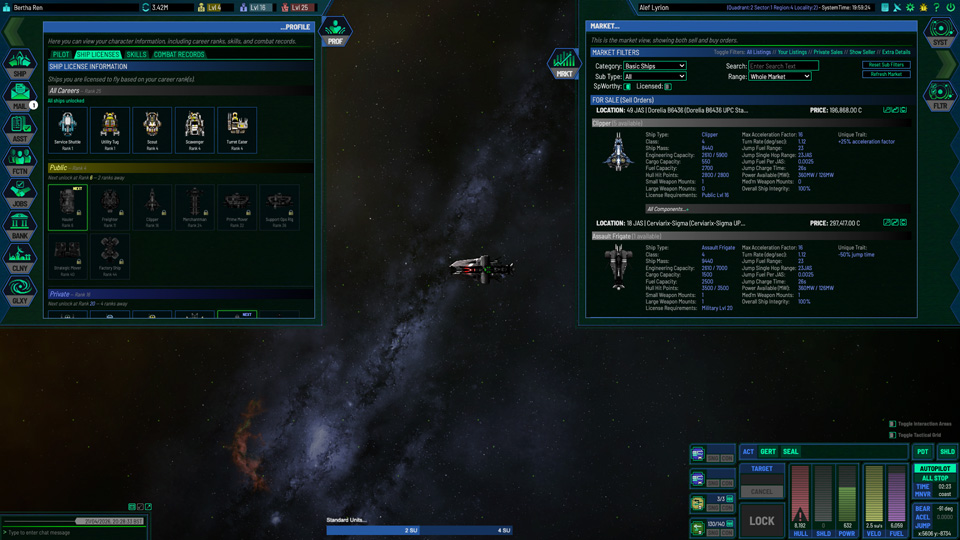
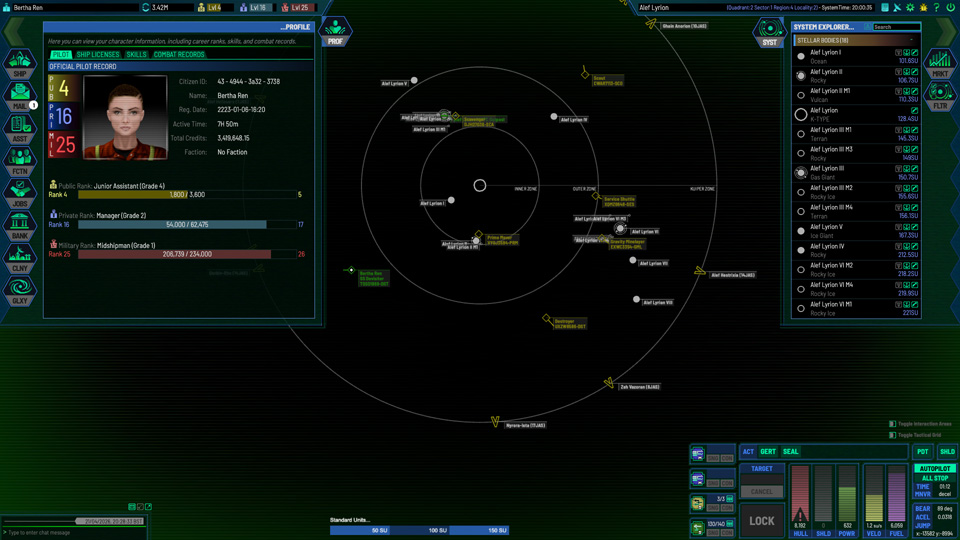
open_in_fullExpandThere is no class selection screen in Outer Empires 2. Three independent career tracks (Public, Private, and Military) level up simultaneously based on what you actually do. Run hauling jobs and your Public track grows. Win fights (combat jobs, or in open space) and your Military track advances. Manage private contracts (survey, mining or salvage jobs) and your Private track develops. All three progress in parallel, and none of them lock you out of anything.
Higher career levels unlock access to more powerful ship classes. A high Military rank opens military-grade cruisers, while a high public rank unlocks exclusive trading vessels, and developing the private rank gives you access to better mining, salvage, and manufacturing ships. Skills span 16 groups (Navigation, Combat, Engineering, Commerce, Science, Leadership, Manufacturing and more) and train in real time whether you are online or not... enhancing your chosen career.
The result is a pilot profile that reflects exactly how you have played. A combat veteran with a side interest in trading looks completely different to a merchant who occasionally hires mercenaries. Your choices accumulate. There is no resetting, and no single correct build.
We're currently in Alpha 3 with around 35 active testers in a closed test. Most of the core systems are in and working: trading, exploration, colonisation, manufacturing, research, ship fitting, and the career progression across all three tracks. We've spent a lot of time in Alpha 3 balancing the job progression and the economy, and we're happy with where that's landed.
We'll be honest about what still needs work. Combat is functional but it needs more polish. It's also quite hard right now and we know that. Balancing it properly is on the list. Skills are being added steadily, but some of them don't have enough impact yet and we're working through them. These aren't surprises; they're just the honest state of an alpha.
Alpha 3 is invite-only. We send out invites periodically as capacity allows. If you want to be considered, register your interest below.
Alpha 4 is coming in May 2026. The main goal is to bring significantly more players into the game and watch how the economy develops as the population grows. Importantly, existing players and their colonies won't be reset. We want to see how new players interact with the established ones: whether they trade with them, work for them, compete with them, or try to undercut them. That dynamic is exactly what we need to test.
The latest from the development team.
Alpha 3 brought all career tracks fully online. Military, Private, and Public paths are each playable with distinct missions, rewards, and progression. We've spent this phase balancing job progression and the economy with our active testers.
Asteroid mining has landed in Alpha 3 this month. Players can now scan asteroids, select a resource to extract, and set dedicated mining ships to work. This is the first step in the full industry cycle and opens up the early supply chain for refineries and manufacturing.
Alpha 4 is about opening the doors wider and expanding what's available. We're adding basic Station Permissions, giving faction leaders and station owners control over who can dock and trade at their facilities. Mining Jobs are coming as a new job type, alongside two new mining ship classes. The market is getting an upgrade to support buy orders for ship components and blueprints, and Ship and Cargo Scanners will be introduced, letting players scan other ships in space.
June brings Salvage Jobs and new salvage mechanics, letting players recover materials from wrecked ships. We're also focusing on combat this month: improved visual effects and a round of combat polish to make engagements feel better and play more fairly.
July is when territorial control gets real teeth. Factions will be able to attack stations and colonies, making what you've built worth defending. We're also introducing Crew for ships and Colony Administrators, adding a new layer of management and specialisation to both flying and running a colony.
August focuses on faction relationships and communication. We're introducing Faction Diplomacy systems so factions can formalise alliances, declare rivalries, and negotiate without it all coming down to who shoots first. Chat enhancements will make player communication across the galaxy more flexible and useful.
Further down the road, players will be able to post their own jobs and contracts for other players to pick up. Hire a pilot to haul cargo, put out a bounty, or offer escort work. This is a feature we're excited about and it's firmly on the list, but we want to get the core economy solid first.
The road from Alpha to launch: where we've been and where we're headed.
Core engine, database architecture, ship configuration, foundational combat system, market economy, and the first playable builds with a closed group of testers.
All three career tracks playable. Economy and job progression balanced. Asteroid mining added. Closed testing with around 35 active players.
Significantly expanded player base. Station Permissions, Mining Jobs, two new mining ships, market buy orders for components and blueprints, Ship and Cargo Scanners.
Salvage Jobs and salvage mechanics. Combat polish and improved visual effects.
Station and colony attack mechanics. Ship Crew and Colony Administrators.
Faction Diplomacy systems. Chat enhancements.
Wider testing pool, performance hardening, Player Jobs and Contracts, economy balancing, and final feature completion ahead of launch.
Outer Empires 2 opens to all players. The galaxy is yours.
Join the Adventure Together: At the heart of our universe lies a vibrant and passionate community that's ready to welcome you into its fold. Discover a hub of camaraderie, discussions, and shared experiences where players from around the world come together to shape the destiny of our galaxy.
Join the Conversation: Dive into the action on our official Discord server, where you can engage in real-time conversations, ask questions, and connect with fellow players. Our Discord community is a bustling space for discussions ranging from gameplay strategies to lore debates, ensuring there's always something exciting to talk about.
Shape the Future: Our community isn't just a place to discuss the present - it's also a platform to influence the game's future. Participate in discussions about upcoming features, suggest improvements, and vote on development priorities. Your voice matters, and our community is where your ideas can come to life.
Register your interest and we'll keep you posted on the latest news and updates.
You're already on the list.
We have your registration and we'll be in touch when invites go out. Keep an eye on your inbox.
Phutty Studios has been building multiplayer games for over 15 years. We're a small independent studio and Outer Empires 2 is our most ambitious project to date.
We build games we want to play ourselves. Multiplayer, persistent, and with enough depth that there's always something worth doing. We listen to our players, we're honest about where things are at, and we'd rather ship something that works than rush something that doesn't.